

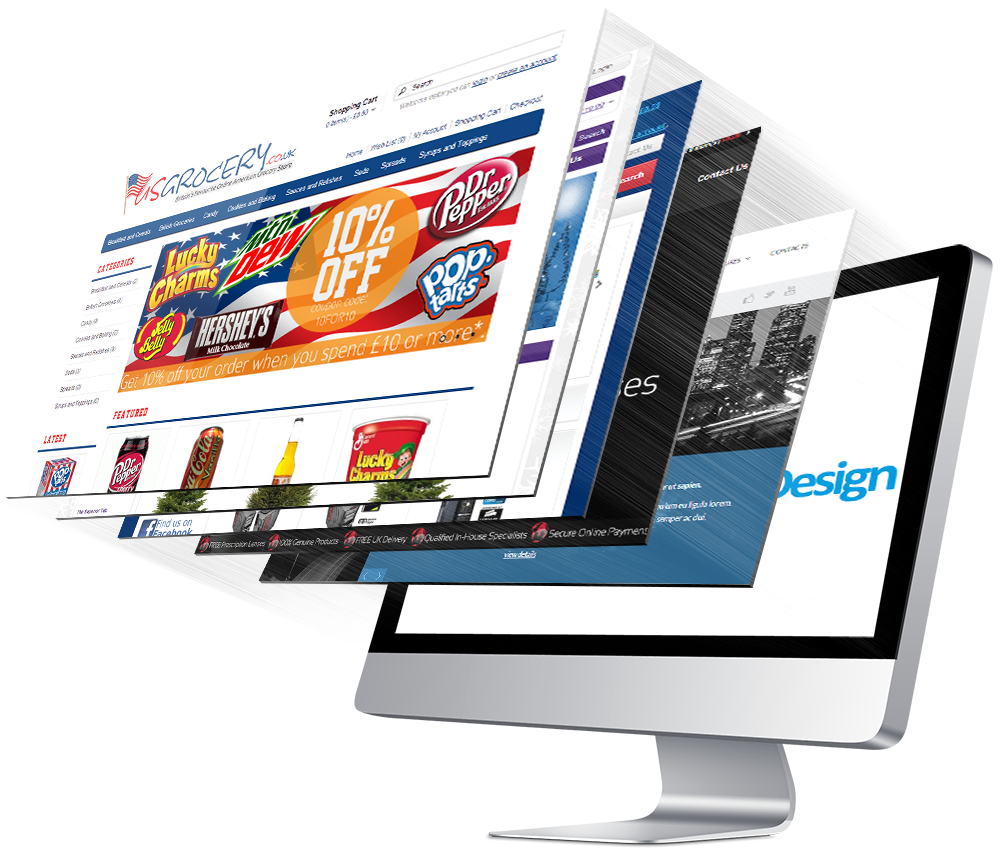
Web page design also plays a major role in branding and online presence. Companies use their brand colors, logos, and visual styles in the design to create a consistent identity across their website. Attractive banners, images, and interactive elements help keep visitors engaged and encourage them to explore more pages of the website.
Modern web page designs are usually created using technologies such as HTML, CSS, and JavaScript, along with design tools like Adobe XD, Figma, or Photoshop. Designers follow important design principles like balance, contrast, alignment, and visual hierarchy to organize the content effectively. A well-designed webpage not only looks professional but also improves user engagement and website performance.
Features of Web Page Designs
- Responsive Design – The webpage automatically adjusts to different screen sizes such as mobile phones, tablets, and desktops.
- User-Friendly Navigation–Clear menus and links help users easily find information on the website.
- Attractive Layout– Proper arrangement of text, images, and graphics makes the webpage visually appealing.
- Fast Loading Speed – Optimized images and clean coding help the webpage load quickly.
- Readable Typography – Clear fonts and proper text spacing improve readability for users.
- Interactive Elements – Buttons, forms, animations, and links allow users to interact with the webpage easily.